OpenWater V2
DIY swimming-pool-ready remote water quality monitoring
Background
See OpenWater V1 for the first version of this project.
Updates
In this version I threw out the enclosure and the PCB design of the first version. I wanted a device that looked halfway decent. The cable situation in V1 was also really not in a good place.
I thought one interesting idea might be to create an inflatable enclosure. It could potentially mean that a majority of the enclosure could be made from cheap rubber inner-tube. Adding air pressure would:
- Still be soft if someone were to cannonball onto it while it's floating in the pool
- Keep the cost down
- Be an easily sourced material
- Let you know right away if there was a hole that could allow water to leak in—air would leak out
Things I Learned
What I learned was I was wrong about any of these being a real benefit.
- While soft yes, I still needed rigid end-caps and exposed hose clamps. Those aren't super friendly to the accidental errant (or intentional) dunking.
- I found it difficult to find the diameter of tubing that had the right flexibility and durability. I ended up finding a supplier of industrial roller covers (for use in printing). At $45 per foot, it wasn't the most economical.
- Nope, see #2 above. Required special order from specialty manufacturing. See Jemmco for a great source for extrusion and web converting industrial supply!
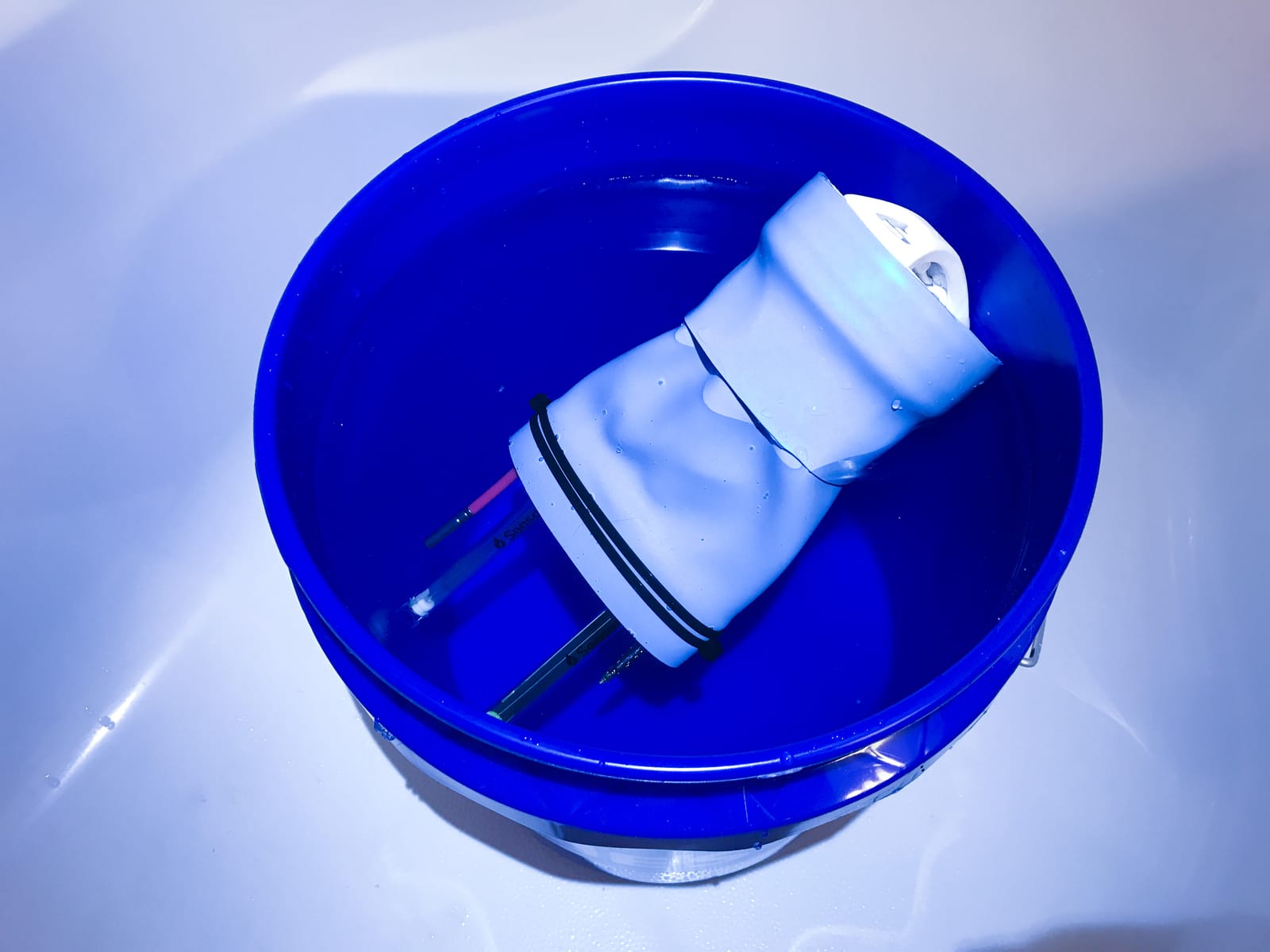
Also, one big learning was that I never calculated the buoyancy of my device. It turns out that even with the entire enclosure totally deflated, there wasn't enough mass to pull it down and have it float the way I had intended. I would need to add about a pound or more of ballast to the bottom to get it to float. Even then, it didn't float up/down but instead kind of listed to one side like some half-dead fish.
Materials
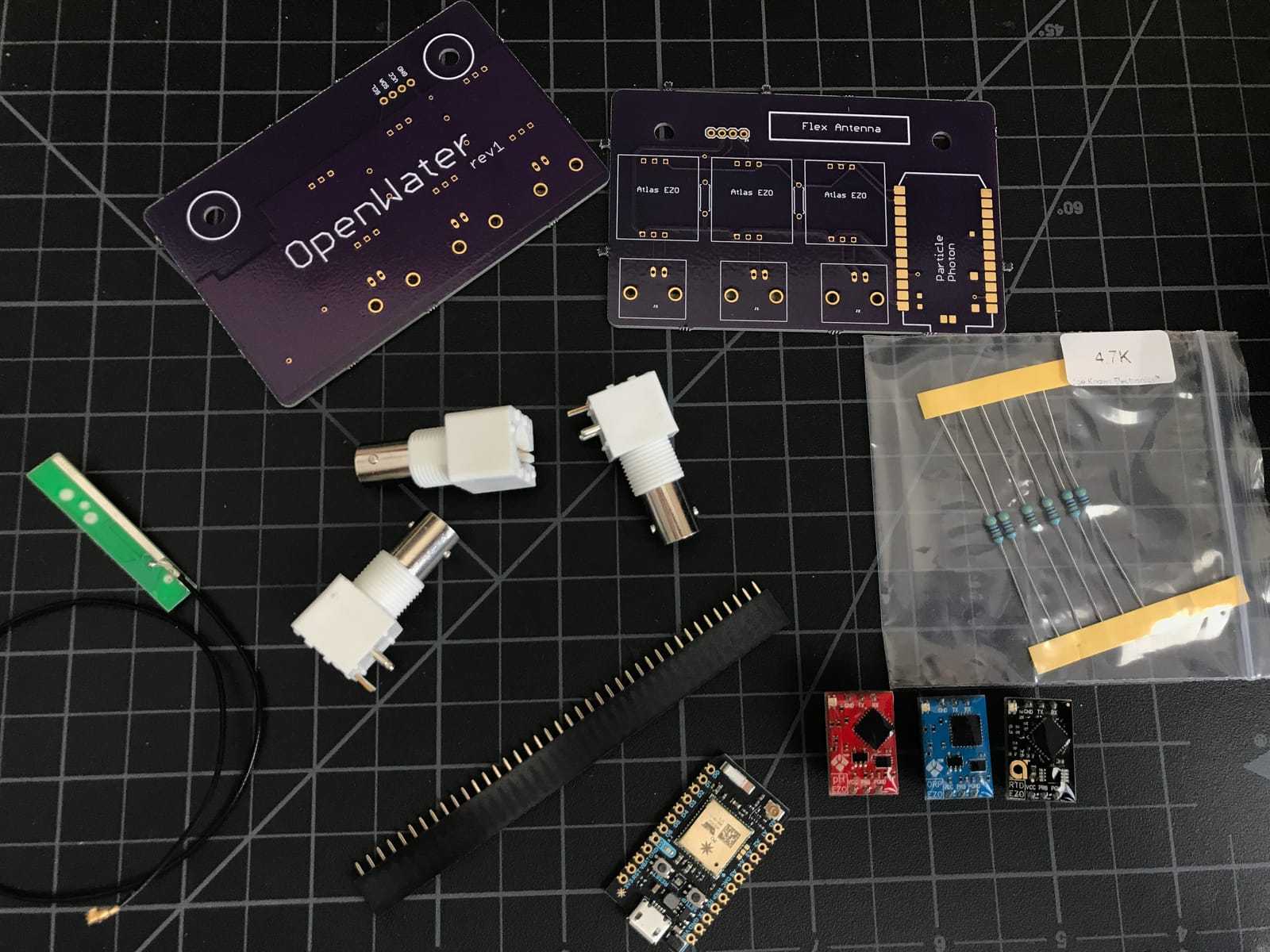
Here's a materials list in Google Drive. See the tabs at the bottom and select V2.
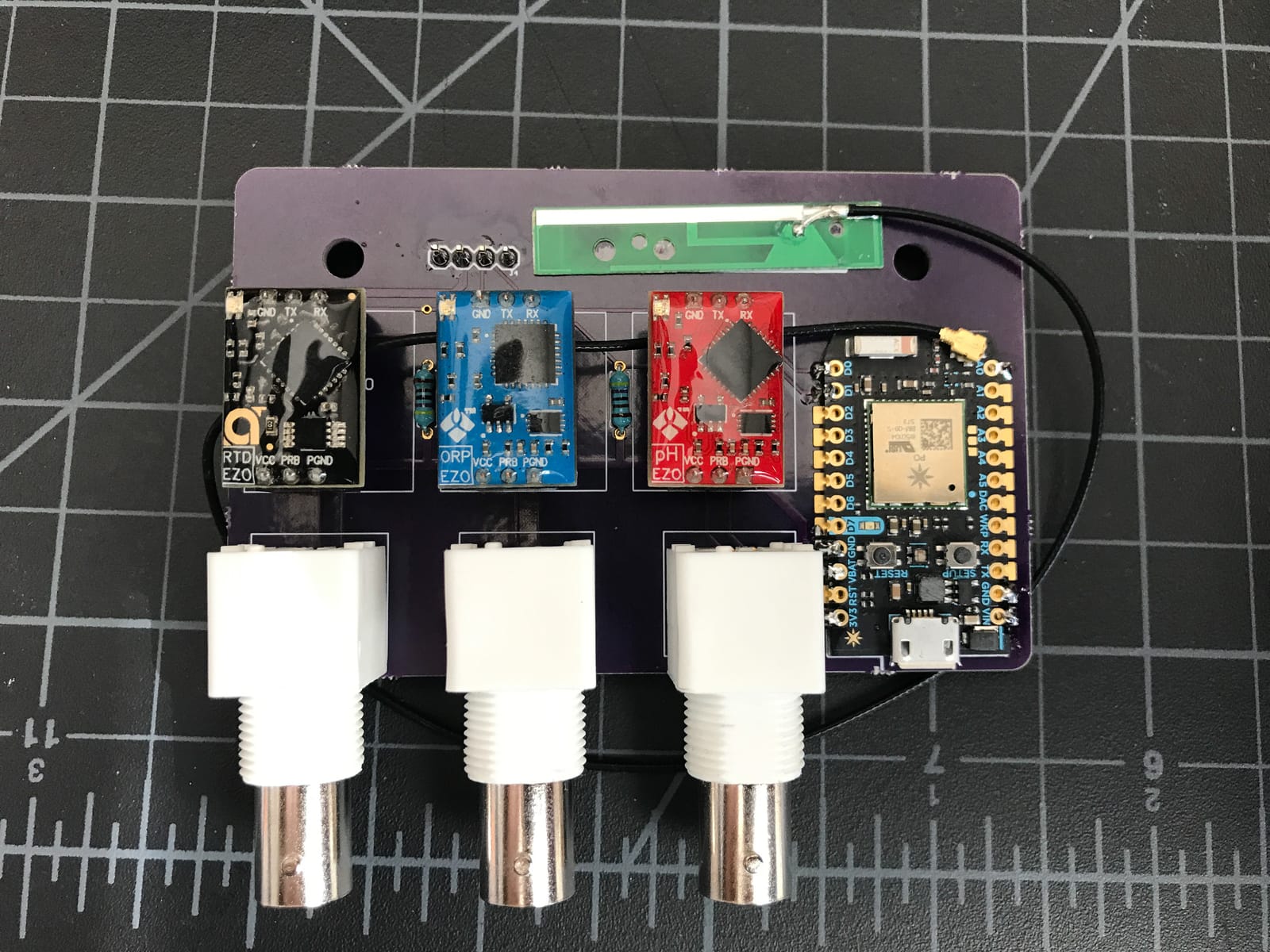
All the parts needed:
Assembly
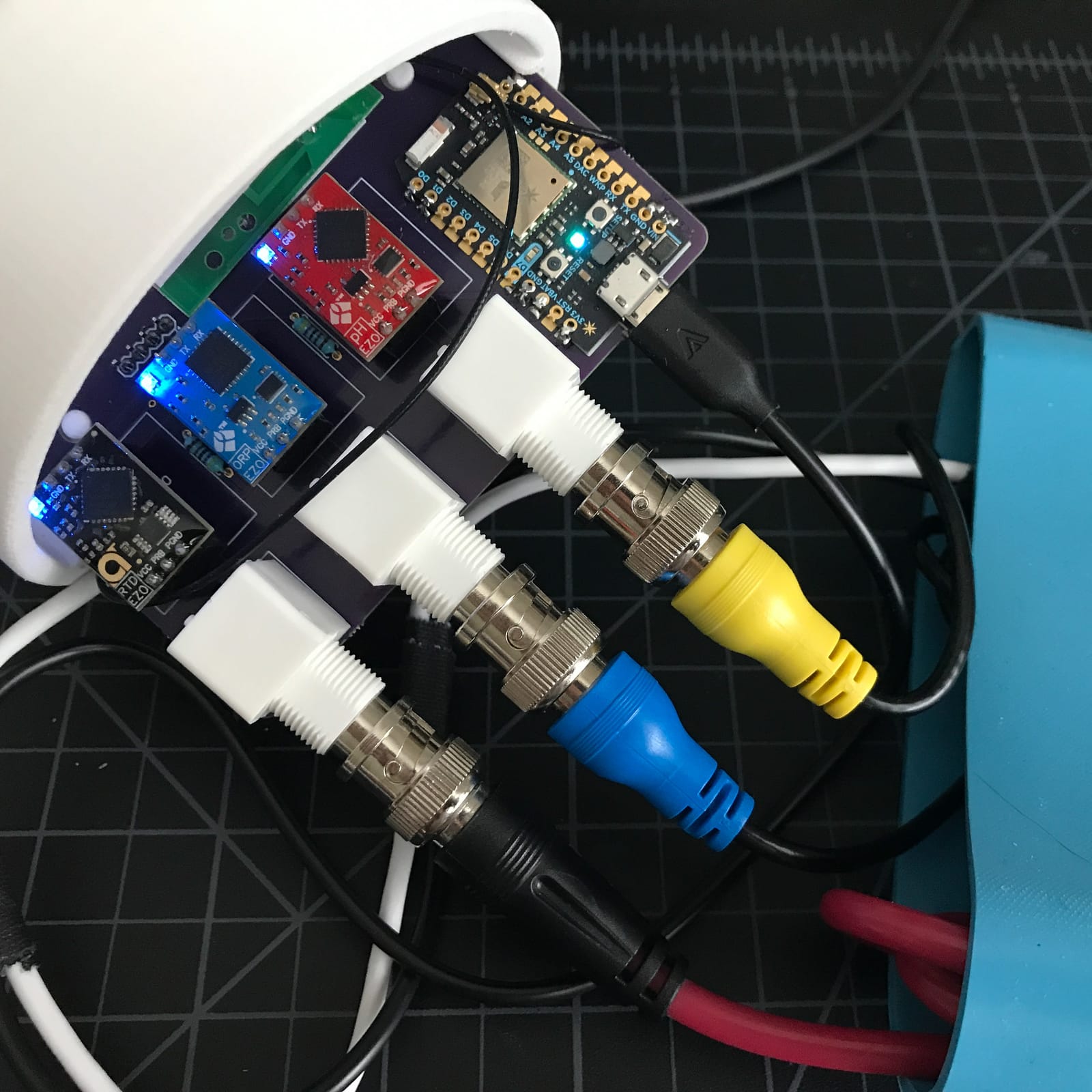
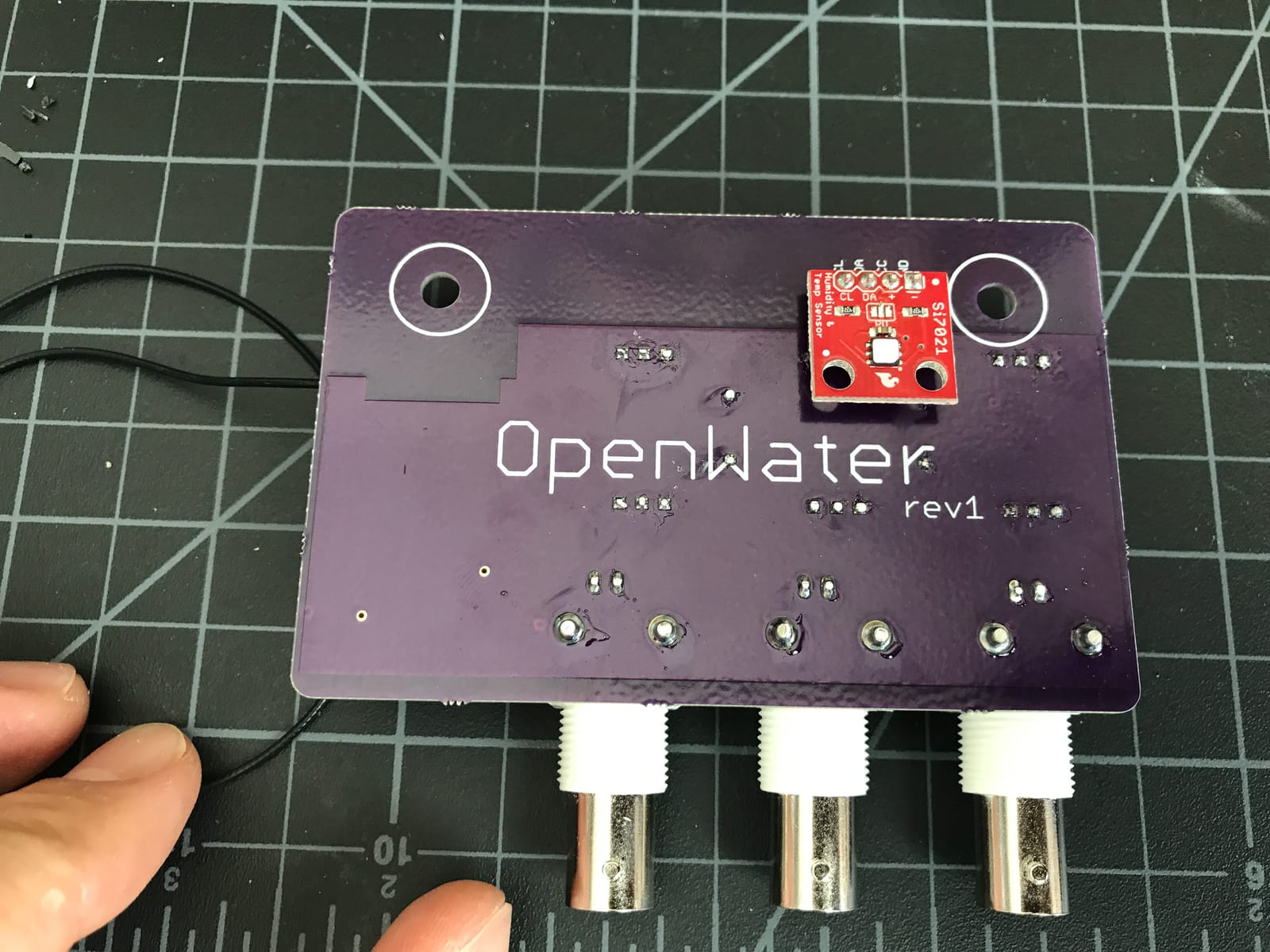
Back of the PCB after assembly:
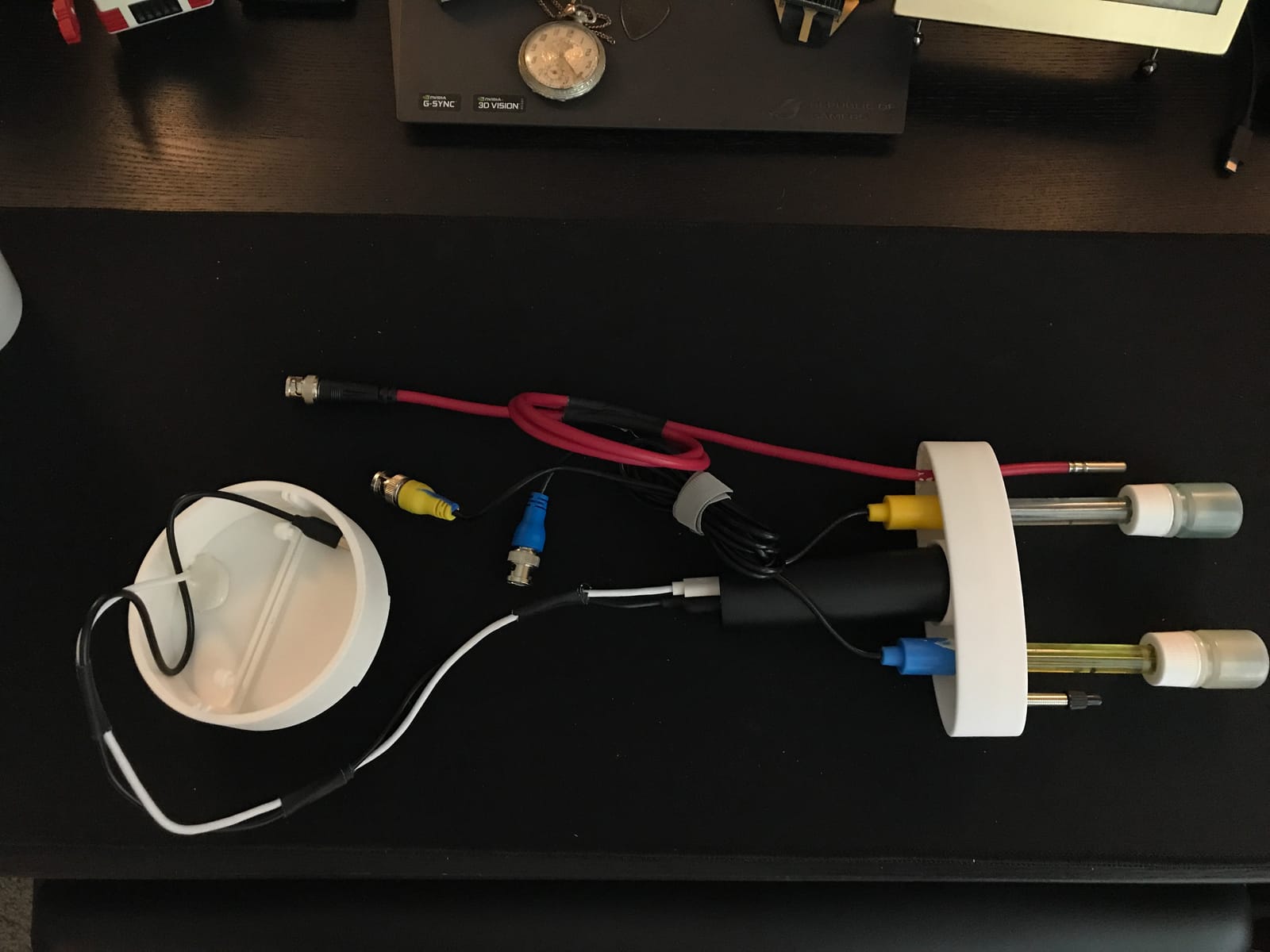
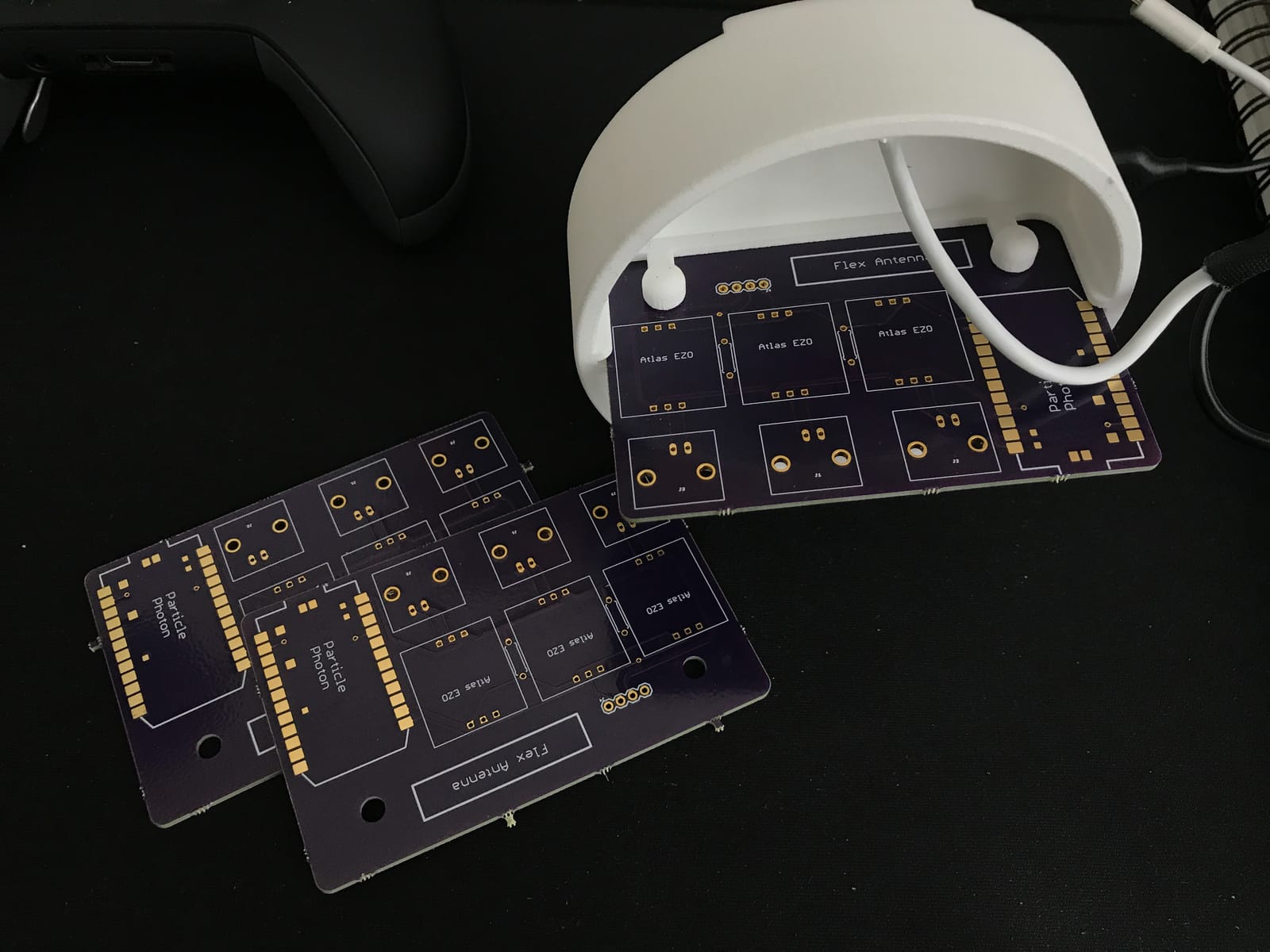
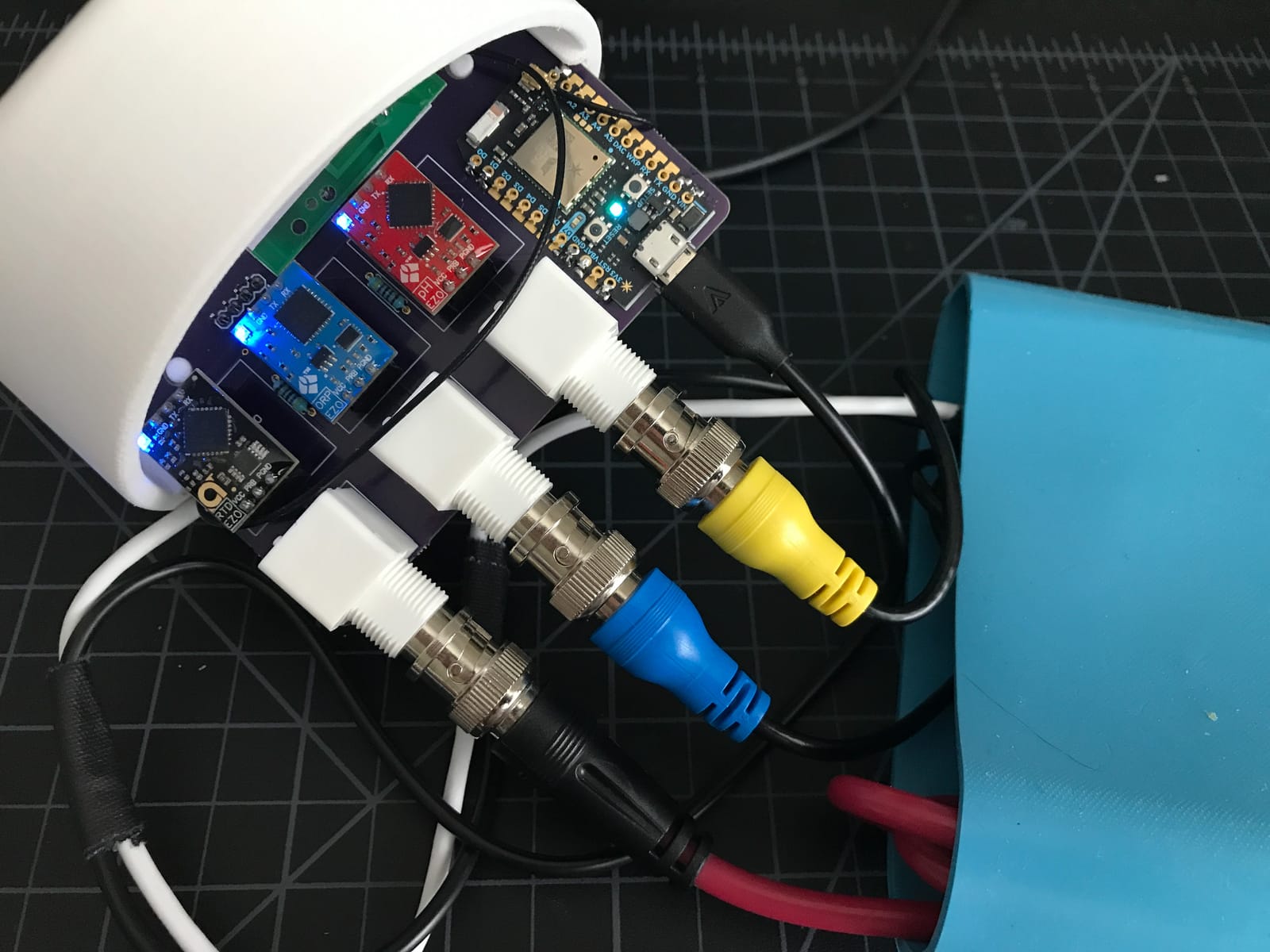
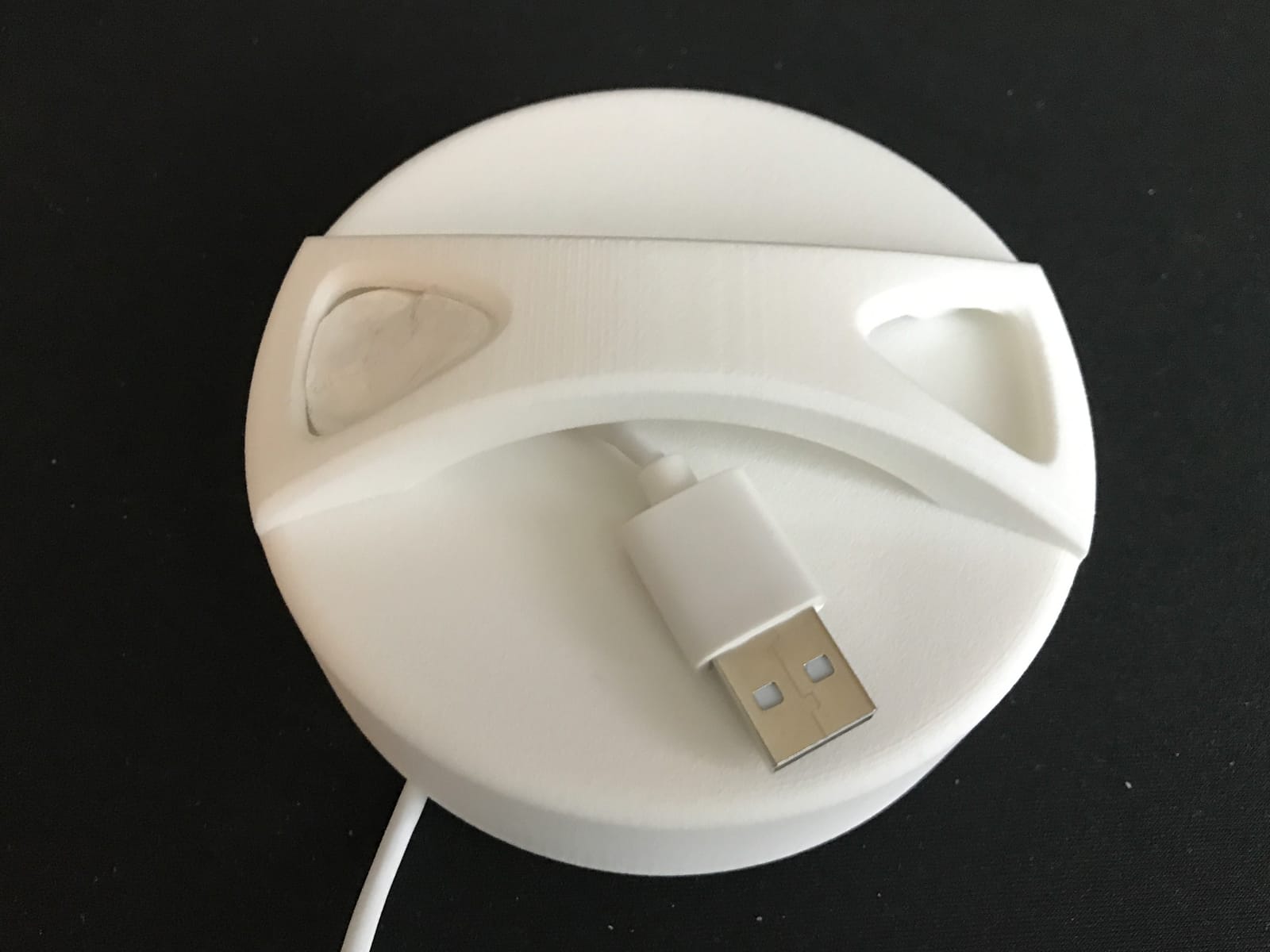
Here's a test-fit of the PCB in the 3D printed cap. I designed the lid with a board slot and pull tabs that snap into place over the holes in the PCB. Fits perfectly. Digital manufacturing is amazing.

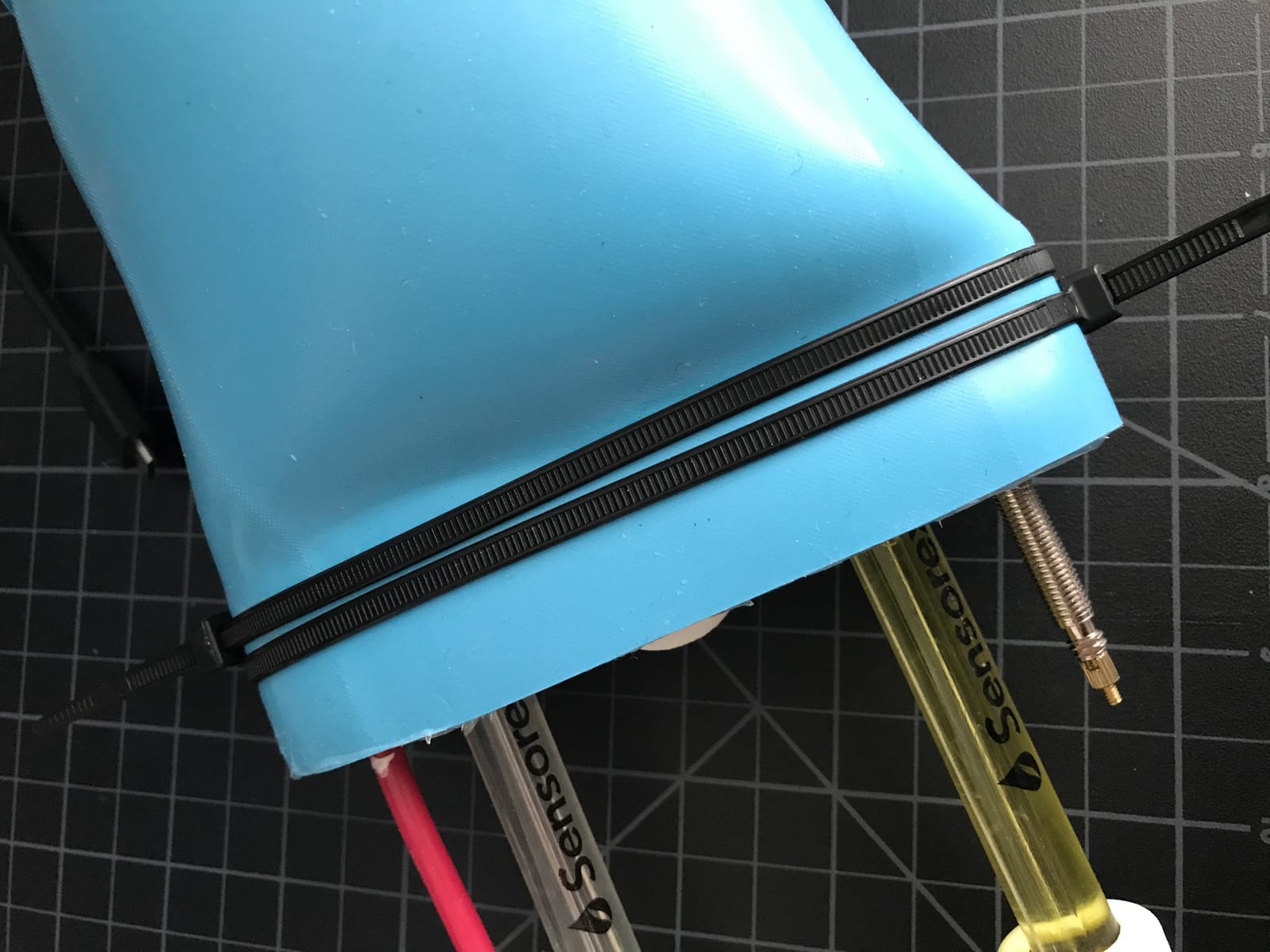

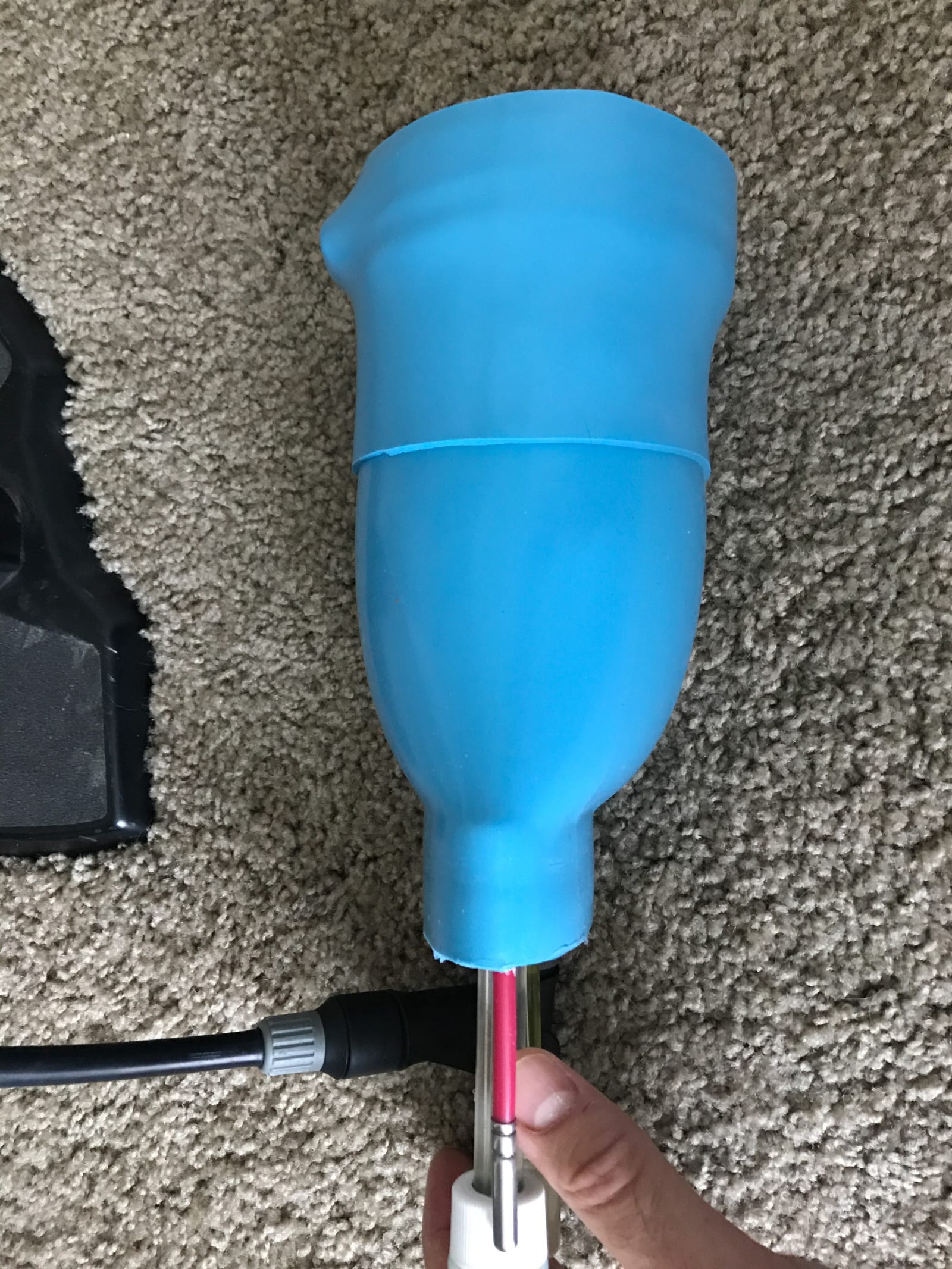

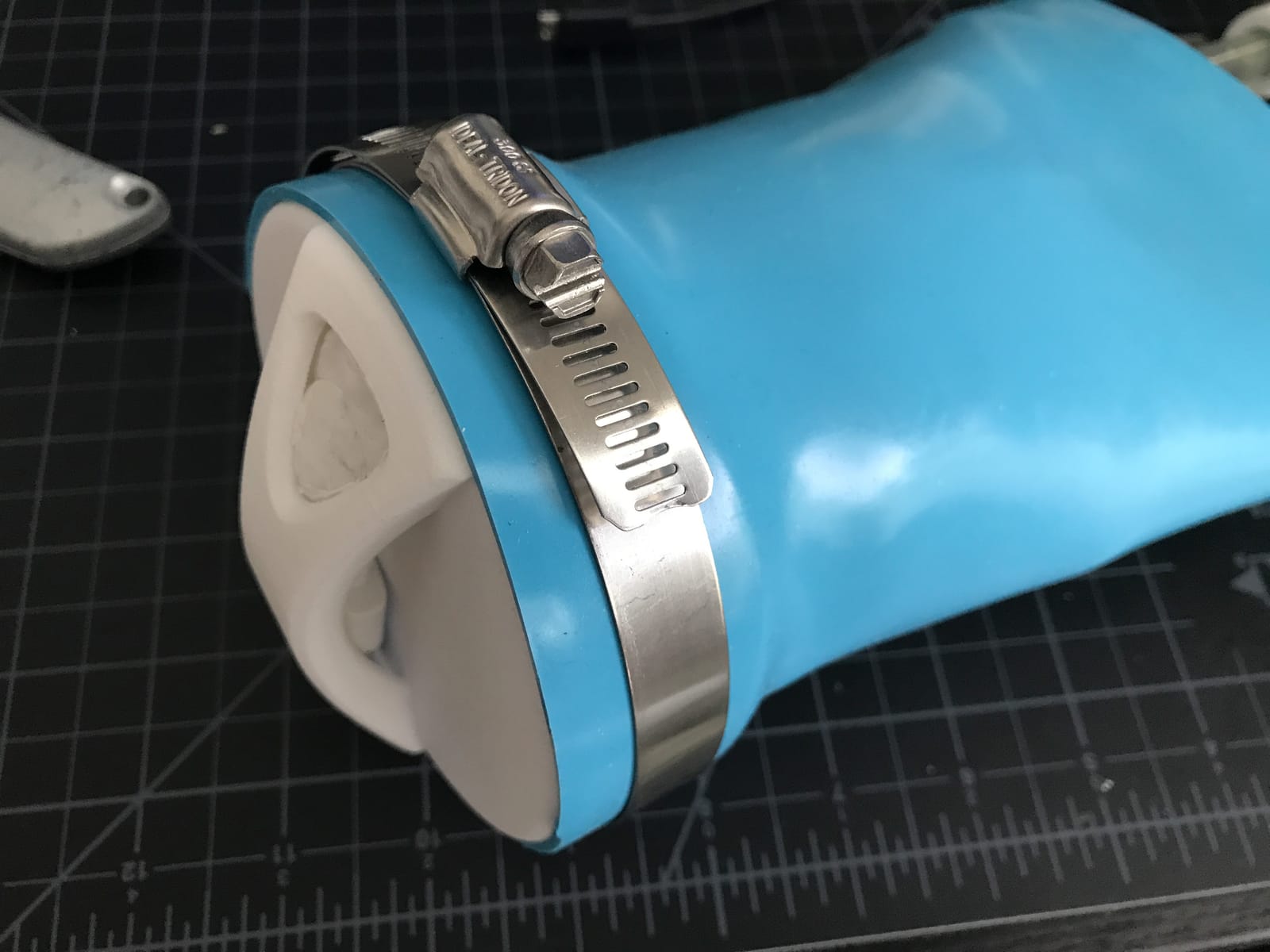
Too much buoyancy:
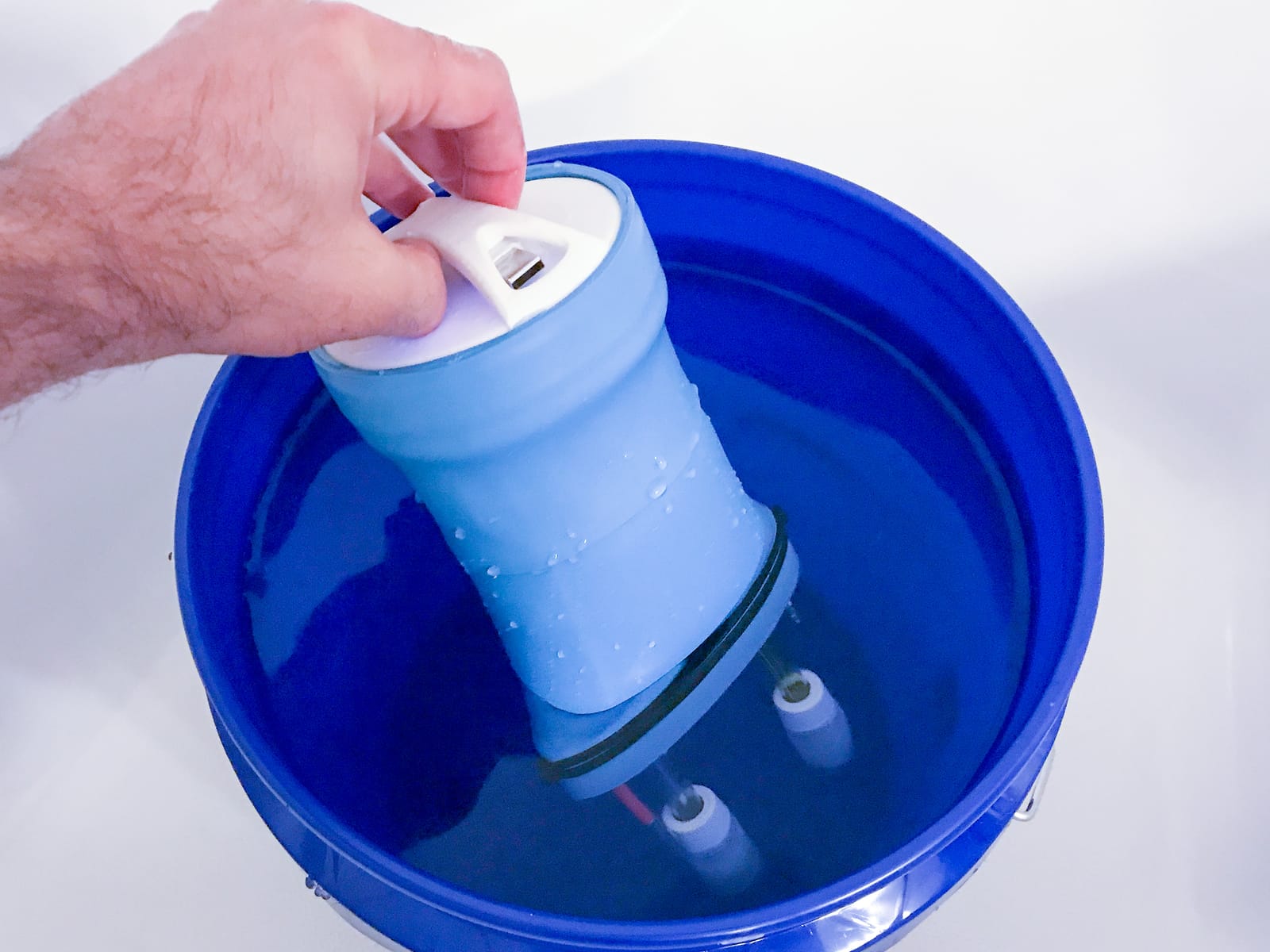
Even when deflated =(